A forum on the bioeconomy of the future in Straubing – powered by TransBIB
How can networking within competence hubs be strengthened at regional level, thereby accelerating value creation? This is precisely where TransBIB comes in with its ‘Regional Networking’ initiative. The aim is to bring together stakeholders in the bioeconomy, raise the profile of their offerings and provide fresh impetus for innovation and knowledge transfer processes.
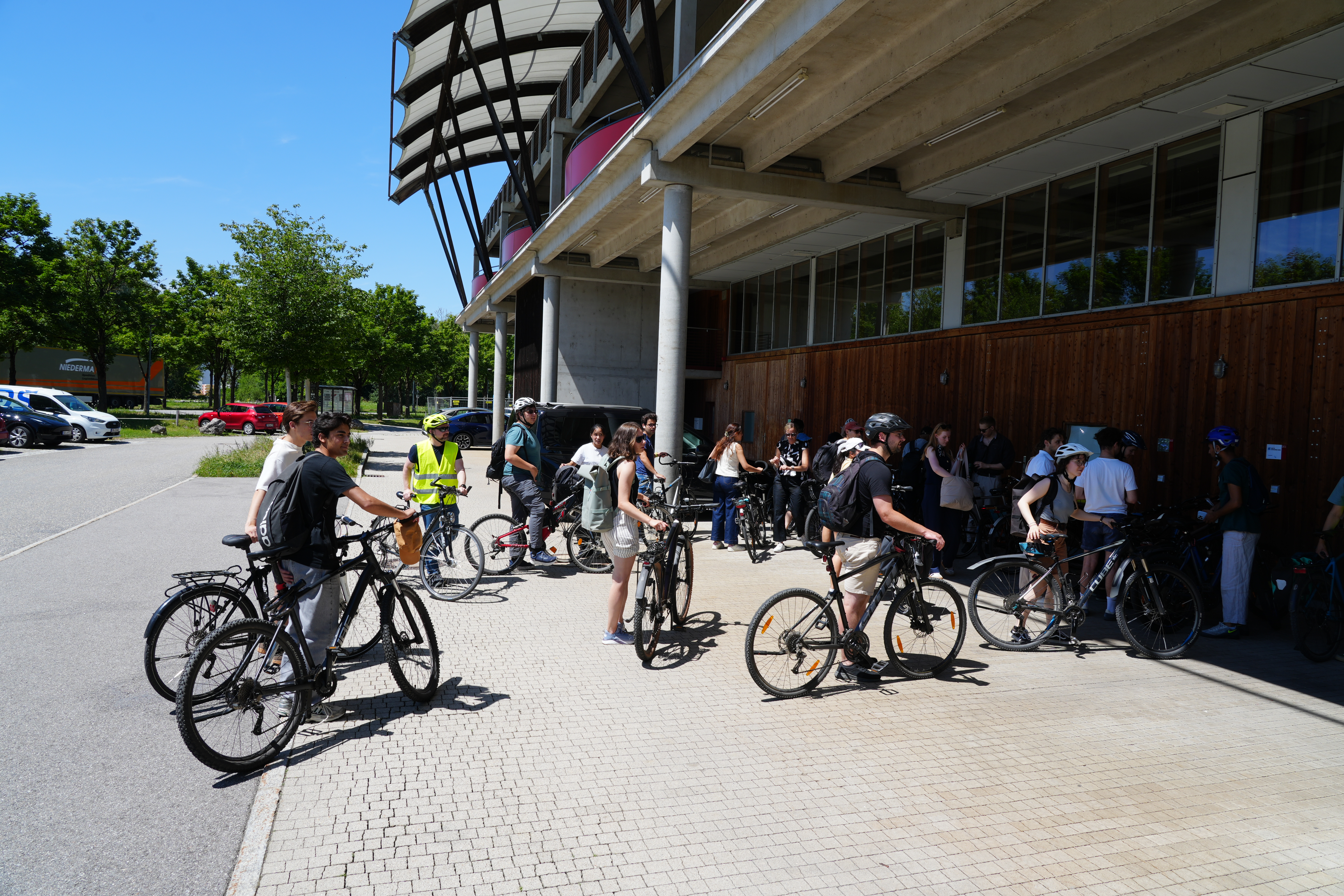
A recent example of this is the “TransBIB Bioeconomy BBQ Bike Tour”, which took place in Straubing on 10 July 2026. Around 60 students, researchers and stakeholders from the regional bioeconomy, as well as representatives from UnternehmerTUM and TUM Venture Labs in Munich, explored the scaling and innovation ecosystem at the TUM Straubing Campus and in the Straubing-Sand harbour – and learnt about TransBIB as a key platform for knowledge transfer and networking.
Bridge between the campus and the harbour
The event kicked off with a group cycle ride from the TUM Straubing Campus to the BioCampus in the harbour. The route allowed participants to experience first-hand the spatial and substantive links between university research, technological infrastructure and industrial applications, whilst also sending a clear message in support of sustainable mobility.
Deep-tech ideas from the bioeconomy
At the Technology and Start-up Centre, the focus then shifted to the students. As part of the “Clean Tech Ventures” course, Master’s students presented their circularity- and bio-based-oriented deep-tech business ideas. Some of the concepts presented have already secured funding or are in the process of being patented – a clear indication of the start-up potential inherent in Straubing as a bioeconomy hub.
Insights into unique infrastructure
Alongside the pitches, participants were able to tour key industrial biotechnology and bioeconomy facilities at the Straubing site. Guided tours of the TUM Bio Scale-Up Centre, the BioCampus MultiPilot facility (currently under construction) and the Bayernhof BioTec facility demonstrated how bio-based processes can be scaled up from research through piloting and demonstration to industrial application. The tour highlighted just how closely innovation infrastructure, businesses and academia are interlinked in Straubing.
TransBIB as a one-stop platform for knowledge transfer
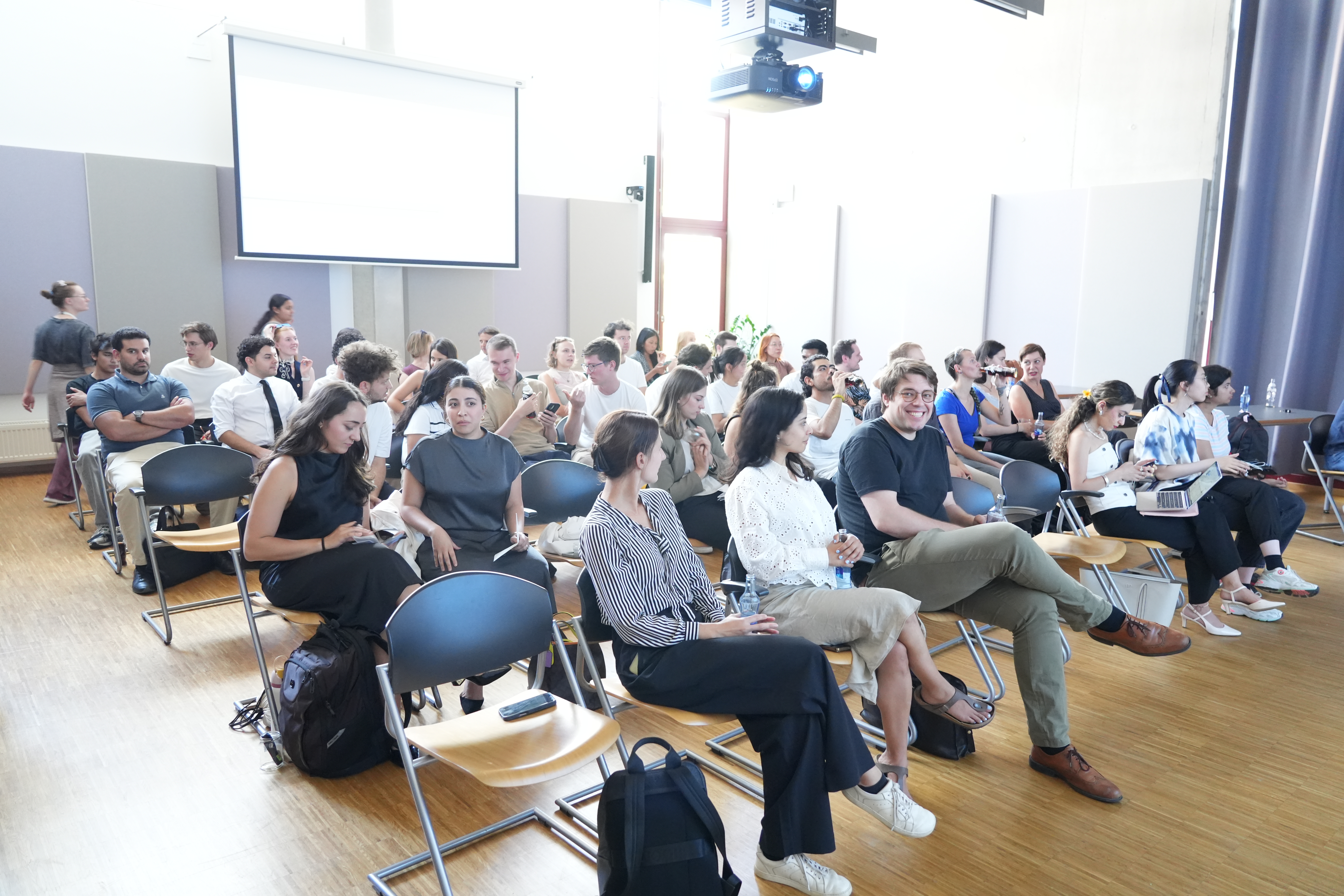
Later in the event, TransBIB coordinator Matthias Scholz presented the objectives, services and support measures of the National Transfer Network for Accelerating the Industrial Bioeconomy. The focus was on the TransBIB One-Stop Shop as the central point of contact for students, researchers, companies and other stakeholders in the bioeconomy.
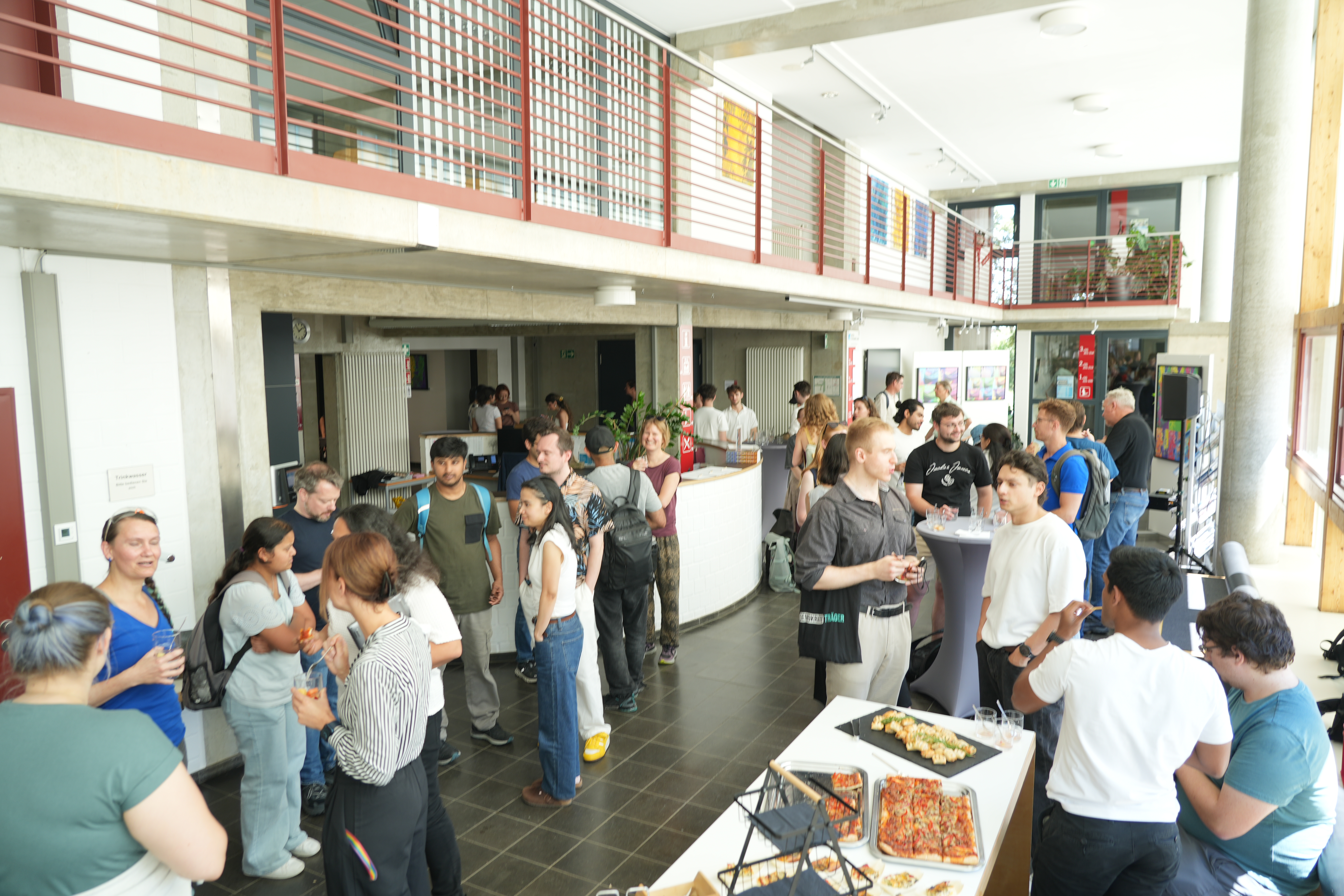
The One-Stop Shop provides users with structured access to information, contacts and support services throughout the entire innovation and transfer process – from the initial idea through to scaling up and industrial application. During the event, participants were able to raise specific questions about their projects and begin establishing initial networks.
A format for encounters with a symbolic significance
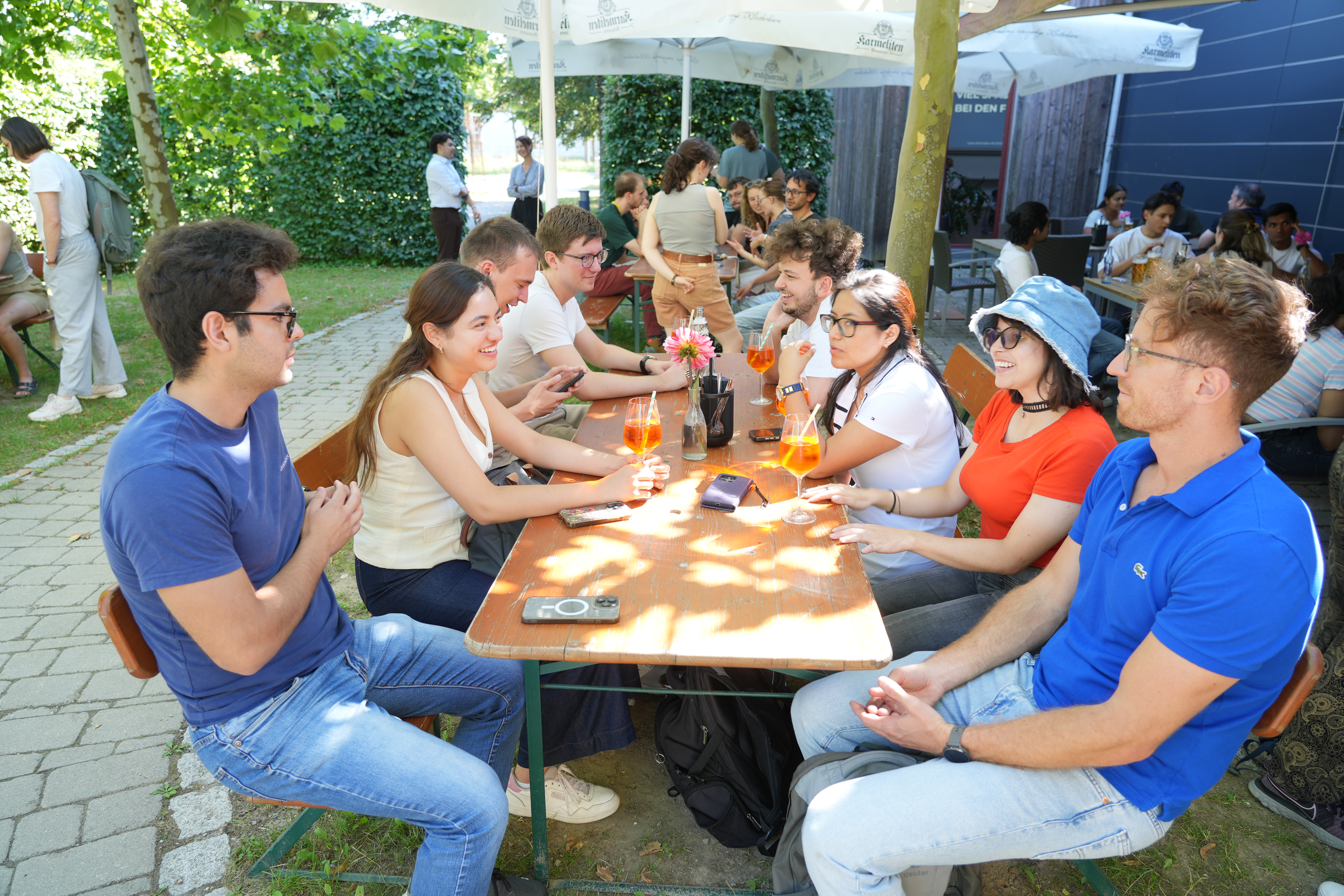
The Bioeconomy BBQ Bike Tour concluded with a group barbecue, which provided ample opportunity for personal interaction. Here, participants strengthened their connections, discussed ideas for collaboration and outlined the next steps for joint activities between the campus, businesses and TransBIB.
Through initiatives such as the Bioeconomy BBQ Bike Tour, TransBIB demonstrates how ‘regional engagement and communication’ can help to,
to link regional centres of excellence more closely with one another,
to make scaling and innovation infrastructures visible and accessible,
to involve students and early-career researchers in knowledge transfer processes at an early stage, and
to specifically shorten the path from research to application.
The positive response to the event makes it clear that such low-threshold opportunities for meeting and networking are an effective tool for further advancing the industrial bioeconomy in Germany.